

What Feng Shui is really about
There are three aspects to this:
- Bring positive Qi into the building,
- Harmoniously distribute this Qi to each of the rooms and areas,
- Create supportive spaces to retain positive Qi and make it available to you.
Let’s have a look at each of these points:
1. Bring positive Qi into the building
i) Beautiful physical features:
We remedy any negative features, or Sha Qi, and endeavour to catch positive Qi through strategic design and furniture placement.
ii) Positive intangible Qi to make a building radiant:
Intangible Qi is determined by the individual energy chart of a building. This tells us the quality of Qi that comes to the building from the different compass directions.
2. Harmoniously distribute Qi to each of the rooms and areas
Straight lines are cutting and Qi moves too fast. It is detrimental to spend time in the trajectory of a straight road or hallway. These tend to create lost space by making the area at the end of them unusable.
3. Supportive spaces to retain positive Qi and make it available to you
These are the three points that go into good Feng Shui! We then use a whole tool kit of Feng Shui principles and remedies to achieve it. The overall aim is to achieve harmony and a dynamic Yin Yang balance.
Dynamic Yin Yang Balance
- a living area is filled with radiant life energy AND there is opportunity for you to relax – versus one that is too busy or too dull.
- a work space that enables you to focus, be clear-headed and productive – versus one where you feel distracted and drained.
- a bedroom where you feel comfortable, protected and can sleep well – versus one where you can’t sleep, get sick often or wake up drained.
Image: Paige Cody on unsplash
Recent articles from our blog.
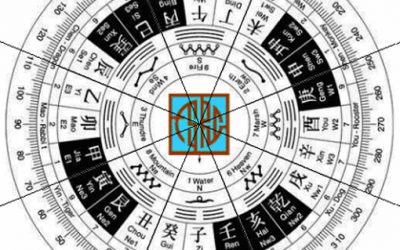
Making a Home more Saleable with Feng Shui
Feng Shui is becoming a greater part of mainstream life, particularly with an increasing Asian population. How to Attract Asian Buyers There are some Feng Shui design principles that you should be aware of if you want to keep the door wide open to potential...
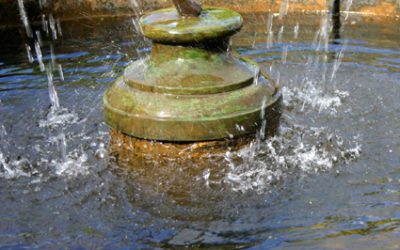
Where to put the water feature
In Feng Shui water is associated with wealth. Water may be in the form of a pond or lake, stream or river, a pool, or a water feature - in or outside a building. Water is able to activate the most radiant life force present in a building and thus bring more prosperity...
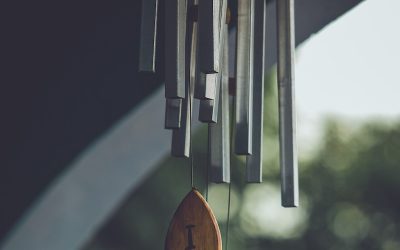
About Mirrors, Windchimes and Flutes
Wind chimes, mirrors and flutes are often the first thing people associate with Feng Shui. Here is how useful or detrimental these can be. Wind Chimes A metal wind chime creates metal sound. This is useful in some areas of a building as it helps clear and diminish...
Free Guide
7 Feng Shui Secrets for a Soulful Home
A free guide on how to bring comfort and life force into your home.
Please enter your details in the adjacent form for access to the 20-page PDF guide and receive monthly Feng Shui tips.
We promise to keep your e-mail safe & not spam you.